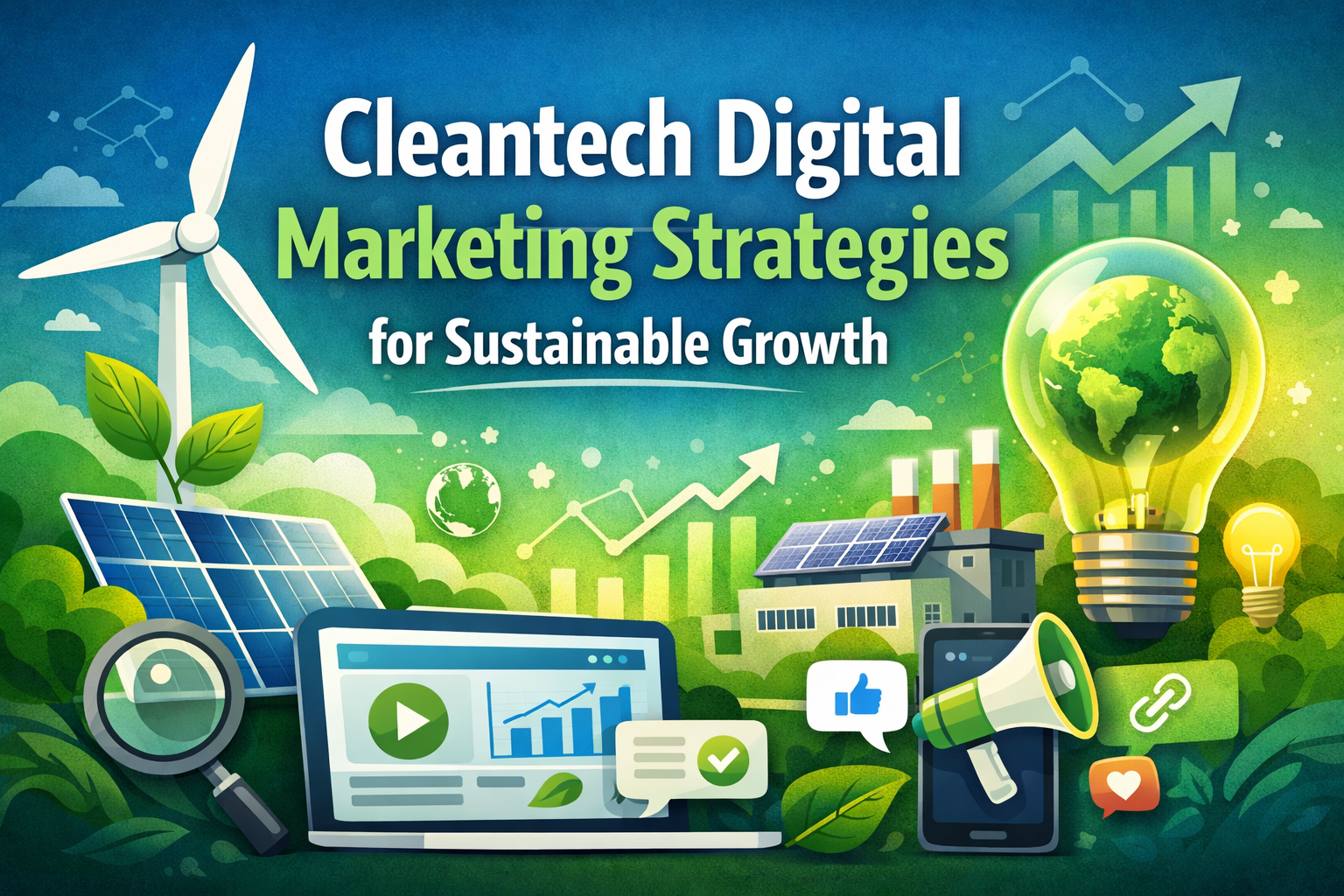
Cleantech solutions are changing how energy, infrastructure, and resources are used, but most of them struggle with the same problem: visibility. The technology may be solid, but if people cannot understand it or trust it, it will not gain traction. Cleantech digital marketing strategies are about turning complex ideas into clear, searchable, and credible information that the right audience can actually find and believe.
People researching clean technology usually arrive with questions, not purchase intent. They want to know how something works, whether it is proven, and how it fits into real world use. Marketing that respects this mindset performs better and builds long term value.
Why Cleantech Marketing Requires a Different Approach
Cleantech marketing operates in a space where audiences are informed and skeptical at the same time. Engineers, sustainability managers, policymakers, and investors all approach content differently, but they share one expectation: accuracy.
Effective cleantech digital marketing strategies account for:
Long research driven buying cycles
Technical decision makers who value depth
High sensitivity to exaggerated environmental claims
Strong demand for proof and transparency
This means surface level messaging does not work. Content has to earn attention by being useful first.
How Educational Content Builds Real Authority in Cleantech
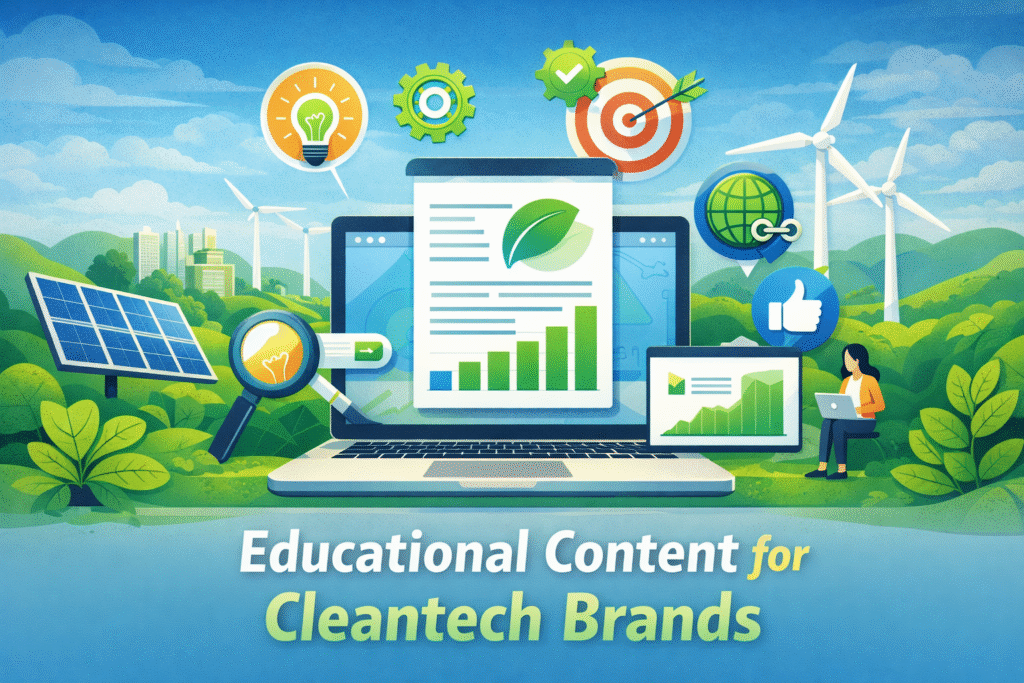
Educational content is the backbone of cleantech visibility. When a company explains complex ideas clearly, it positions itself as a reliable source instead of a vendor.
Strong content formats include:
Plain language explainers of clean technologies
Articles breaking down efficiency or emissions data
Case examples showing measurable outcomes
Guides that clarify regulations or incentives
This type of content reduces friction. Readers stay longer, revisit later, and begin associating the brand with understanding rather than promotion.
SEO Tactics That Help Cleantech Companies Get Discovered
Search plays a major role in how cleantech solutions are discovered. Most users start with a problem, not a product name. Cleantech digital marketing strategies should reflect this behavior.
Effective SEO practices include:
Targeting questions and challenges that users search for
Writing content that explains causes and solutions
Structuring pages with clear H2 and H3 headings
Avoiding jargon when simpler language works better
Backlinks remain a key ranking factor, especially in technical niches. Search engines look for signals that knowledgeable sources trust the content. In competitive clean technology spaces, earning high authority PBN backlinks from relevant sites helps strengthen topical authority when done carefully and responsibly.
Why Credibility Signals Matter More Than Visual Design
Design supports credibility, but trust comes from information. Cleantech audiences want to know who is behind a solution and why they should believe the claims being made.
Clear trust signals include:
Honest explanations of how the technology works
Acknowledging limitations as well as strengths
Sharing compliance standards or certifications
Providing context around experience and mission
A transparent company background and expertise page helps visitors understand the people, values, and long term focus behind the brand. This kind of clarity builds confidence without pushing a sales message.
Guiding Buyers With Content Instead of Pushing Sales
Hard selling rarely works in cleantech. People need time to evaluate, compare, and validate. Content funnels support that process naturally.
A simple funnel structure looks like this:
Early stage content that explains industry problems
Mid stage content that compares approaches or methods
Later stage content that dives into implementation details
Each step answers the next logical question. This approach aligns with how real decisions are made in sustainability focused industries.
Practical Thought Leadership for Technical Audiences
Thought leadership does not need academic language or complex reports. In cleantech, clarity often matters more than complexity.
Effective thought leadership includes:
Explaining industry changes in simple terms
Addressing common misunderstandings directly
Sharing lessons learned from real deployments
Interpreting policy or regulation changes clearly
When insights are grounded in experience and explained plainly, they feel credible instead of performative.
Staying Visible During Long Decision Cycles
Cleantech decisions take time. Email and community based channels help maintain relationships while prospects continue researching.
Useful approaches include:
Educational newsletters focused on insights
Invitations to webinars or technical walkthroughs
Updates on research or performance data
Thoughtful responses to audience questions
Consistency matters more than volume. Regular, useful communication reinforces trust over time.
Metrics That Show Real Marketing Impact in Cleantech
Traffic alone does not define success. Cleantech digital marketing strategies should focus on engagement quality.
Meaningful metrics include:
Time spent on educational pages
Repeat visits from the same users
Downloads of technical or research content
Growth in organic traffic for problem based searches
These indicators show whether the right audience is being reached and informed.
Cleantech digital marketing strategies work best when they prioritize understanding over persuasion. Clear education, honest messaging, and steady authority building create visibility that lasts. When people feel informed rather than sold to, trust follows naturally.