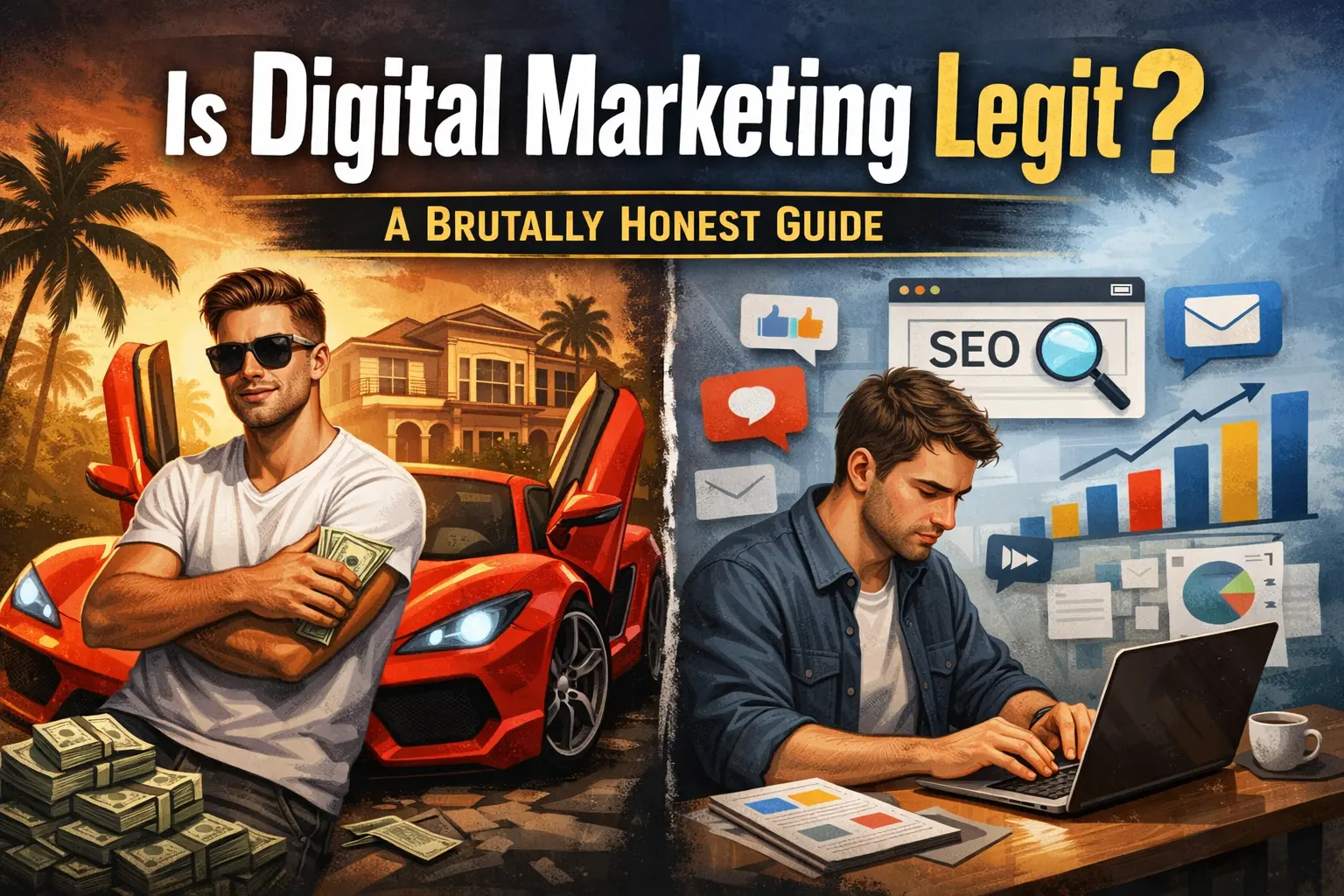
You’re just scrolling through your social media accounts when a guy shows up, posing in a rented sports car. This guy tells you that he has made a small fortune sleeping and that now he can teach you to do the same with his course. This gives anyone with a decent IQ a reason to ask, is digital marketing legit or not?
Or is the whole industry simply one massive scam to make as much money as possible from your hard-earned cash?
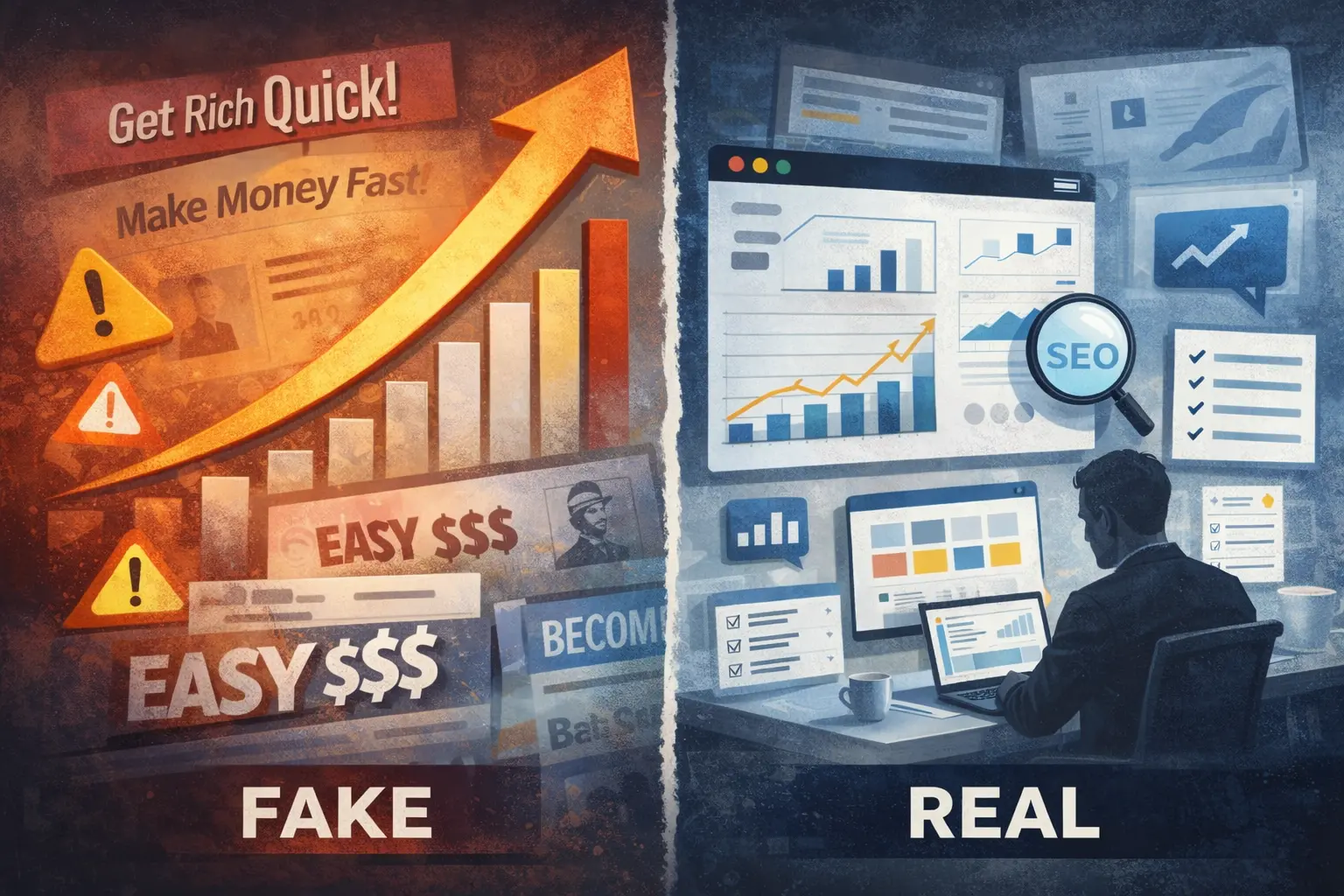
The simple response to this question is: “Yes, the real digital marketing industry is legit.” However, shall we have a look at how it is presented to newcomers? “Get rich quick schemes” have absolutely no relation to the “real deal,” which is presented all over the internet. This guide is here to give you a clear idea of which is real and which is pure hot air.
What’s Digital Marketing Really All About
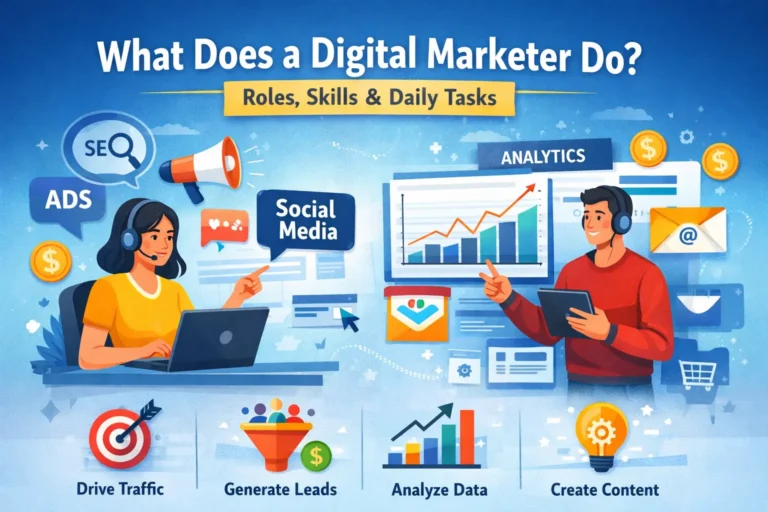
Let’s get back to basics and tear apart all the buzzwords and the sales talk. Digital marketing essentially just refers to internet marketing – that’s it. The way companies marketed themselves before the internet was through billboards, radio advertising, or handing out flyers. Now they use the digital platform to reach people in the places they are actually at.
It’s not some magic formula for printing money. It’s just a set of tools and strategies that help you connect your products with the people who want them.
The core digital channels include:
- Search Engines: Helping a website come up when someone searches for a solution on Google.
- Social Media: Building followers through platforms such as Instagram, LinkedIn, or TikTok.
- Email: Newsletters or special offers are sent directly to individuals who have signed up to receive them.
- Content and Websites: Creating blogs or videos that answer questions and solve problems.
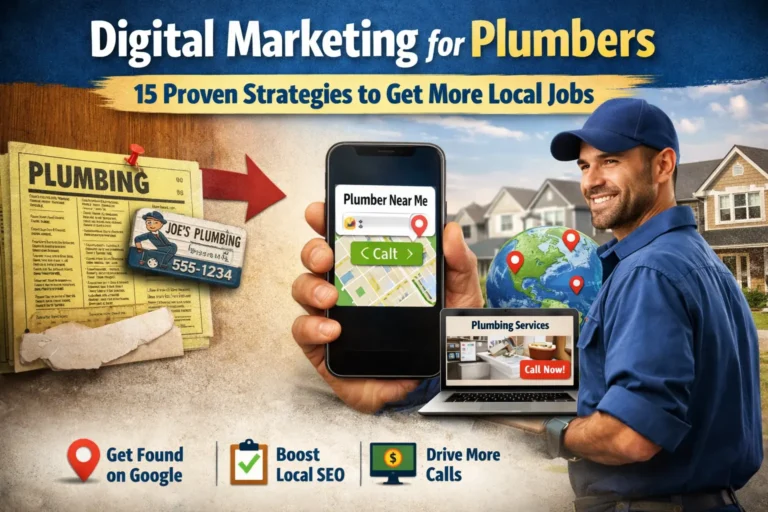
Businesses use these tools to make money by finding new customers. And it’s not just big brands – your local plumber uses the same stuff to get more business as well.
Why You Might Doubt Digital Marketing
The skepticism is totally understandable. The internet is chock-full of ‘gurus’ selling a dream rather than a skill. You see screenshots of bank accounts that just don’t add up. You see courses that promise you’ll be a millionaire in a month – or some other similarly unrealistic claim.
When people buy those courses and don’t see the results they were promised, they feel ripped off. They assume the whole industry is a scam. But the problem usually isn’t the marketing itself. The problem is the lack of honesty about how much effort it actually takes to be successful.
Is Digital Marketing Legit for Businesses?
For real, live companies, digital marketing is not just legit – it’s necessary. Traditional marketing tools such as TV adverts can be costly and difficult to trace. Digital marketing enables companies to view exactly what does and does not work.
Here are some ways real companies actually use digital marketing:
- Local Leads: A dentist might use local search ads to find patients in their area.
- E-commerce: A clothing brand might use Facebook ads to show off its new summer line to people who like fashion.
- Brand Visibility: A software company might write helpful articles just to help potential clients trust them.
Companies wouldn’t spend billions of dollars every year on digital marketing if it didn’t work.
Is Digital Marketing a Career You Should Consider?
Yes, it’s a totally viable career path with some decent job security. But you can’t just treat it as a side hustle unless you really want to. There are specific roles you can specialize in.
- SEO Specialist: This is essentially trying to get these websites to appear near the top of the search engine results page, which is pretty straightforward-looking stuff, but takes a bit of brains to actually accomplish.
- Social Media Manager: You get to create posts and interact with the communities that care about what you’re doing.
- Paid Ads Manager: You get to handle the budgets and actually make the ads happen.
- Content Marketer: This one’s your chance to get creative and write some really engaging copy.
These are all skill sets that you can get paid for – the better you are at what you do, the more you get paid. And it’s not about how many recruits you can bring in, it’s about how well you can actually deliver results. So realistically, you need to be prepared to spend years of your life learning and practicing to really get good at this stuff.
How All The Scammers Have Ruined The Industry
The digital marketing industry got a pretty bad rep because anyone with a laptop can call themselves an ‘expert’ and flog some dodgy guides. All you see are fake agencies that make promises they can’t keep, using the same old templates over and over, and ghosting their clients when things don’t go to plan. And don’t even get me started on all the courses that just focus on selling you more stuff rather than actually teaching you anything useful.
Be careful for these red flags when evaluating an online marketing deal:
- Guaranteed Income: No one can promise you how much you will actually make – it’s all down to how good you are at your job.
- No Proof: If they can’t show you any real-life examples of people they’ve worked with before, run a mile.
- Pressure Tactics: If they’re trying to rush you into buying something by saying the price will go up if you don’t do it now, then they’re just trying to take your money.
How to Tell If a Digital Marketing Opportunity is Legit
A service or course that’s actually going to help you is going to be a lot different from a scam – they’ll have a real strategy, and they’ll tell you exactly what they’re going to do. They’ll talk about data and metrics – and they’ll own up to the fact that it takes time before results can be achieved. They won’t promise you the moon and stars, either. Before you hand over your cash, ask them some questions – like how they measure success and what they do if things don’t go according to plan.
Can You Really Make a Living Doing Digital Marketing?
The honest answer is that yes, you can make a good living doing digital marketing – but it requires effort, patience, and actual skill. You can work as a freelancer, join an agency, or work in-house for a company – but the people who actually succeed are the ones who take it seriously and keep at it. They’re the ones who keep up with the latest changes in the algorithms, who practice their writing, and who learn how to read the analytics.
Consistency beats shortcuts every time – if you’re looking for easy money, you’re going to end up disappointed.
Who Digital Marketing Is Not For
This isn’t a field for everyone – it’s not for people looking for instant income or guaranteed results. And it’s definitely not for anyone who is unwilling to learn – because this is a field that changes every day, and what works one day may not necessarily work another. If you want a job that you can do the same way for 20 years, then you’re looking in the wrong place. And finally, it’s not for anyone expecting to just sit back and collect a passive income without putting in the work to build it up in the first place.
Reality Check Time
Digital marketing really does work, but don’t get the idea that it’s some sort of magic trick. In reality, it’s just another way to communicate – and success comes down to actually doing the work, not just using buzzwords.
If you’ve got a product that’s just not up to snuff, good marketing is going to just get the word out – that it’s not very good – a lot faster. In the end, long-term thinking is always going to come out on top.
The real question isn’t so much is digital marketing ‘legit’ – the question is, are you willing to put in the time to build up the trust & skills you need to actually do it right. Real businesses operate by providing value to people, not by searching out some loophole in the system they can exploit. If you focus on doing good work, the legitimacy takes care of itself.