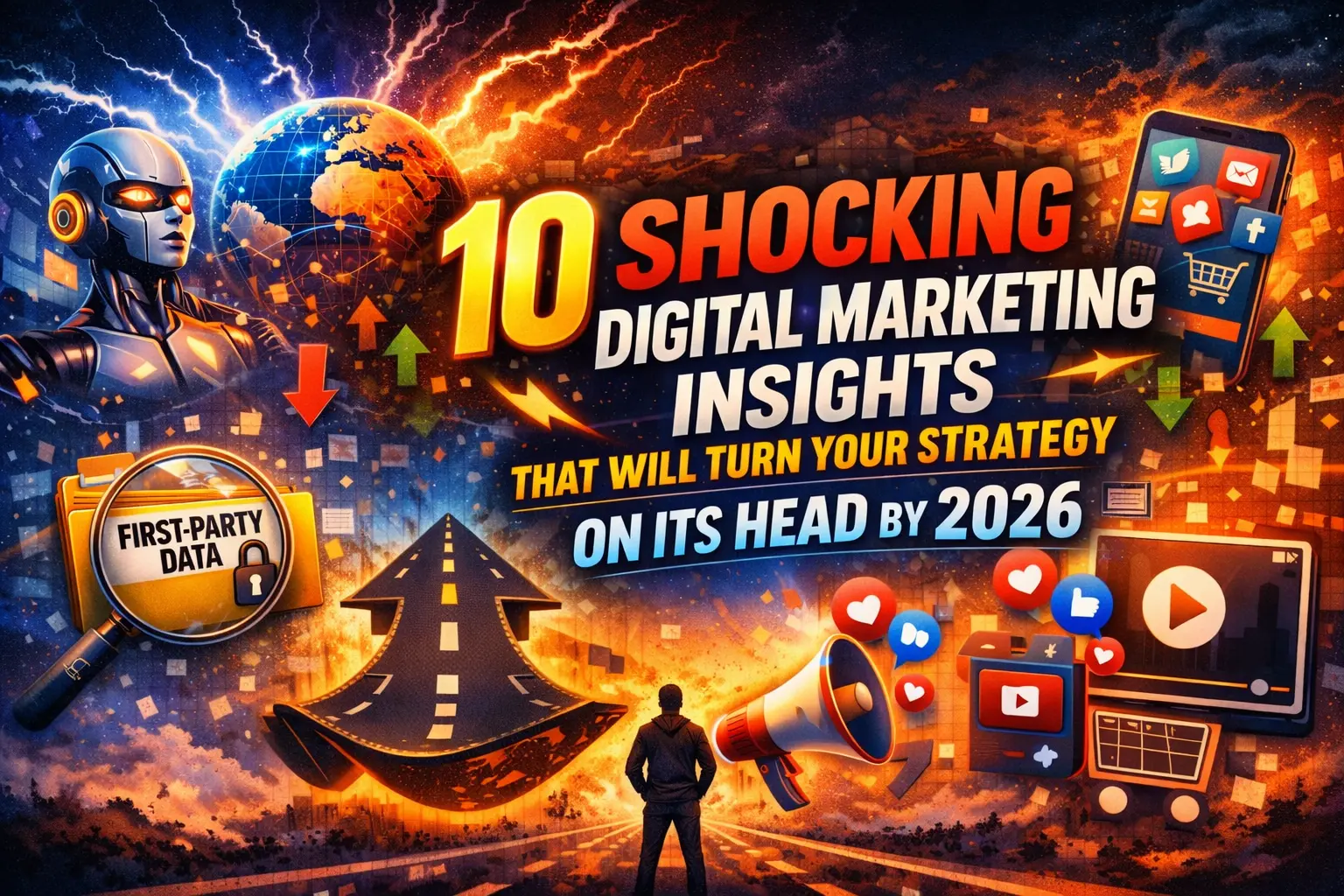
The digital landscape is constantly changing – like, seriously, what worked yesterday is probably obsolete now. This is especially true when you consider the fact that marketing budgets are now pouring into digital channels, yet many businesses still can’t seem to get their money back. The difference between being completely stuck and seeing some actual growth often comes down to how willing you are to adapt to change.
If you want to stay ahead of the curve, you really need to get a sense of where the industry is headed rather than just where it is at the moment. This guide is going to dive into the most critical digital marketing insights you need to know if you want to make it in 2026. By mastering these concepts, you can build a marketing strategy that is not only effective but also resilient and primed for long-term success.
The State of Digital Marketing Now
We’re past the point where just having an online presence was enough – that just doesn’t cut it anymore. Nowadays, the digital environment is a real zoo – crowded, super competitive, and driven by those super-smart algorithms. “Spray and pray” tactics, where brands blast out generic messages to huge audiences, have got to go – they’re just not working anymore.
Today’s consumers don’t just want some generic message from a brand – they expect to be understood on a really personal level. Brands need to be able to tap into what each customer needs and wants right now. This shift puts a massive emphasis on making decisions based on data – and without accurate data, your marketing strategy is just a wild guess. To do well in 2026, you have to use these digital marketing insights to switch from reactive tactics to proactive strategies – and fast.
1. AI-Powered Personalization is Now Essential
AI has moved on from being just a buzzword to being a fundamental tool in marketing. It’s changing customer experiences by allowing personalization at a scale that was previously just out of reach for human teams to manage on their own. Consumers no longer just appreciate personal recommendations – they expect them.
AI tools analyze massive amounts of user behavior data to work out what a customer is going to want before they even go looking for it. This means dynamic website content, tailored email marketing campaigns, and product suggestions that feel almost intuitive rather than intrusive.
If you want to put this into practice, think about using AI driven chatbots to handle really complex customer queries in real time or using predictive analytics to segment your email lists based on what people are likely to do next. Tools like Jasper, HubSpot, and Salesforce Einstein are making this kind of thing accessible to businesses of all shapes and sizes – the goal is to make every interaction feel like a one-to-one conversation.
2. Your First-Party Data is Your Most Valuable Asset Right Now
One of the most urgent digital marketing insights for 2026 is how data privacy is going to impact everything. With major browsers phasing out third-party cookies and privacy regulations getting tighter all over the place, relying on third-party data is just not a safe bet. The future belongs to those who are in control of their own audience relationships.
First party data – that’s information you collect directly from your audience – is basically the gold standard now. This includes email addresses, purchase history, and website behavior. Unlike rented data from ad platforms, this is something no one can take away from you.
To collect this effectively, you need to give people a reason to share their info. Lead magnets, exclusive newsletters, and loyalty programs are great ways to encourage users to hand over their details – as long as the value you offer is something they really want. Building a direct relationship with customers helps build trust. When you’ve got someone’s trust, they are more likely to trust you with their business.
3. Video’s The Real Superstar Across All Platforms
If you’re not prioritizing video, you’re basically invisible to a huge chunk of your market. Video consumption is just getting more and more out of control, with platforms increasingly favoring moving images over static text or photos.
While long-form video is great for education and storytelling, the real king of engagement right now is short-form video. People have gotten used to quick, funny, and useful content on platforms like TikTok, YouTube Shorts, and Instagram Reels – so if you can deliver that, you’ll keep your audience engaged for longer.
You don’t need a Hollywood budget to make this work. In fact, raw and authentic content often does better than highly polished productions. Focus on telling a good story and giving some immediate value. A 30-second video answering a common customer question can do more for your brand than a generic blog post ever could. Pop video into your emails, landing pages, and social feeds to keep people engaged.
4. Voice Search Optimization is No Longer Optional
The way people search for stuff online is changing fast. With all these smart speakers and voice-activated assistants popping up on smartphones, voice search is taking up a bigger and bigger chunk of search volume. If you’re not optimizing for voice, you’re falling behind.
Voice searches tend to be longer and more conversational than typed searches. So instead of typing “best Italian restaurant”, a user might say, “Where is the best Italian restaurant near me that’s open right now?” To keep your head in the game, focus on long-tail keywords and natural language – structure your content so it answers specific questions straight off. FAQ sections are particularly good for this because they mimic the question-and-answer format of voice search so well. And don’t forget to get your local SEO sorted, because many voice searches are looking for something local.
5. Social Commerce Is Revolutionizing The Way We Buy Things Online
Social media is no longer just for brand awareness – it’s a direct sales channel now. Social commerce lets users discover and buy products straight from social platforms without ever leaving the app.
This frictionless experience – just a click away from buying something – is changing the way consumers behave. They’re all about “see it, want it, buy it” moments on apps like Instagram and TikTok. To succeed in this space, treat your social profiles like a storefront – make sure your product catalog is up to date and that you’ve got shoppable tags in your posts and videos. And don’t be afraid to do some live shopping events where people can buy products right there and then.
6. Authenticity Wins Out Every Time
If you want to build a loyal customer base, you need to be genuine. Nobody wants to do business with a brand that looks like it’s trying too hard to be perfect. Authenticity is what wins out in the end.
For years now, Instagram feeds have been dominated by sleek and perfectly put-together aesthetics, but let’s be real – that’s all changing now. Audiences are totally over that kind of thing and are craving genuine reality instead. They want to see the people behind the brand and the values and vision that drive the business – the good, the bad, and the ugly.
User-generated content (UGC) is where it’s at right now. Snapshots and clips created by your actual customers are far more compelling than some staged photoshoot. It shows your product in real life situations, with all its quirks and kinks.
Don’t be afraid to show a bit of your behind the scenes action. Share your screw ups along with your successes. Introduce your team members. When a brand feels like it’s got heart and soul to it, it builds a deeper connection with the people on the other end. This kind of authenticity breeds loyalty that goes way beyond just price or convenience. It even turns customers into passionate advocates who actually want to see your brand succeed.
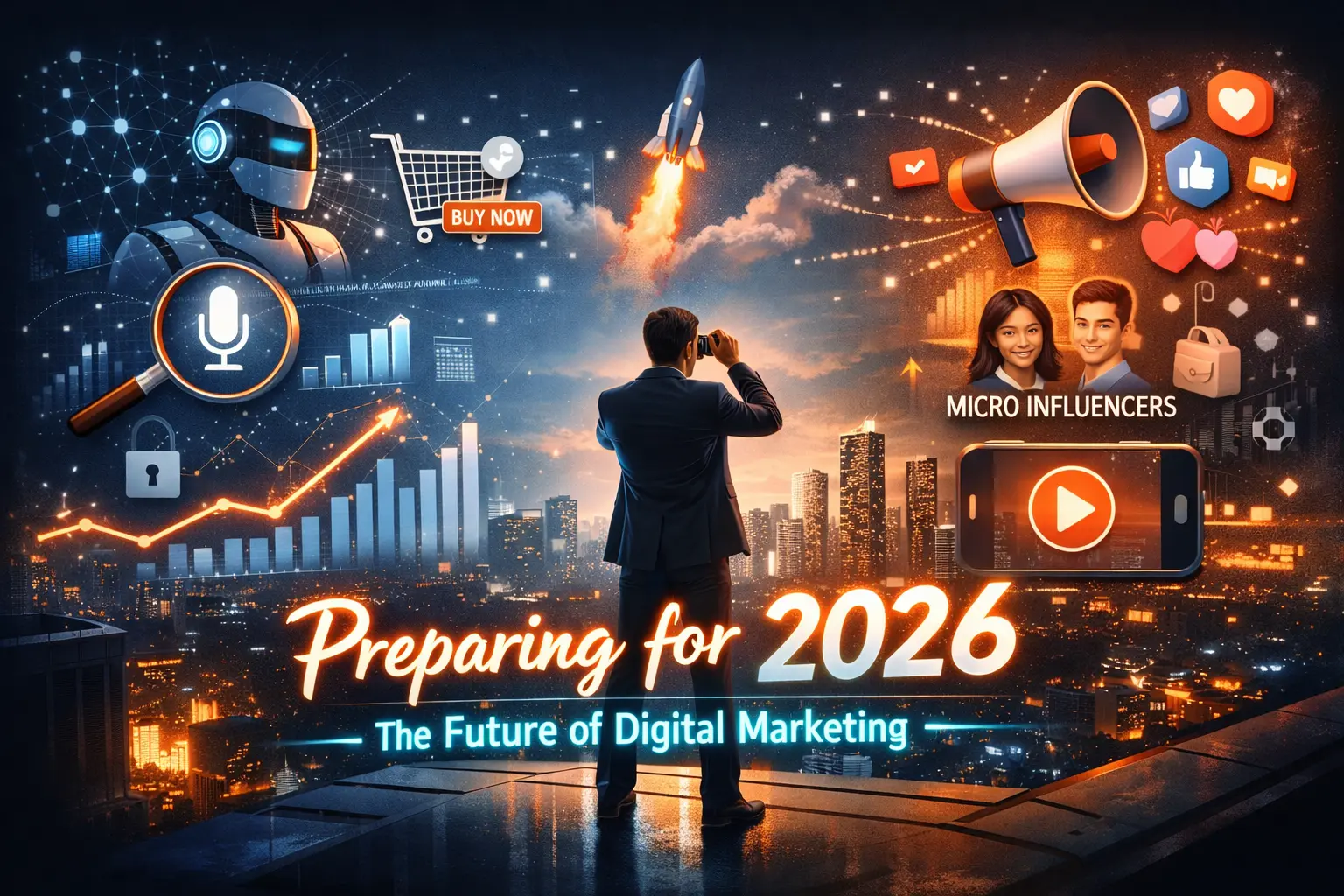
7. Micro-Influencers Are Actually Delivering Much Better ROI
Influencer marketing is still working just fine, but things have shifted in a big way. While big-time influencers with millions of followers might have huge reach, often the engagement is very low, and people just don’t trust them. This is where micro-influencers come in.
Micro-influencers have a much smaller following (usually between 10,000 and 100,000), but they are working with highly engaged communities that are really into the niche. Their recommendations feel like advice from a knowledgeable friend rather than some paid ad.
Partnering with micro-influencers can give you a better return on your investment. Their audiences are super targeted, and it’s generally much cheaper to work with them. When you are selecting influencers to work with, focus more on whether they align with your brand values and the audience demographics rather than just the numbers. Often, a campaign with a handful of really focused micro-influencers can outperform a single post from a bigger influencer.
8. Interactive content will actually get people to engage with your content
Just scrolling through social media or reading a blog post is so last season. Interactive participation is the way forward. As attention spans are getting shorter and shorter, you need to give people a reason to stop scrolling and actually interact with your content. Interactive content does just that.
Think quizzes, polls, calculators, and interactive infographics. For example, a beauty brand might offer a “skin type quiz” that recommends products based on the user’s answers. A finance company could provide a “savings calculator” that helps users plan for retirement.
Strategies with a bit of gamification are also super effective for boosting engagement. Leaderboards, badges and challenges can all encourage people to interact with your brand again and again. Not just likes and shares but interactive content also gives you loads of valuable data about your audience – what they like and what bothers them. That can then go straight back into your personalization strategy.
9. Omni channel marketing IS not optional
Customers these days don’t stick to one channel. They might discover your brand on social media, go research you on Google, then pop to your website on the laptop, and finally purchase the mobile app. Omni channel marketing ensures that their experience is seamless right across all these touchpoints.
That’s different from just throwing your brand across loads of platforms. In a multi-channel approach, you are on lots of platforms, but they might not be working together as a team. In an Omni channel strategy, the platforms all work together in harmony. If a customer adds something to their basket on mobile, it’s still there when they log in on their laptop.
Tracking customer journeys across all these different channels is the key to success. You’ve got to really understand the path they take to buying your stuff if you want to make it easier for them.
10. Its Big Time For Values Driven Marketing
Modern customers are making choices based on the brands they like – and that includes looking for companies that are genuinely committed to making the world a better place, especially when it comes to being sustainable and socially responsible.
But saying you care just isn’t enough, not by a long shot. Consumers know the difference between genuine efforts and just box-ticking or using phrases like “going green” as a marketing ploy to make themselves appear more desirable. The message has to be genuine.
So communicate clearly and honestly about what you’re doing to reduce your carbon footprint. Are you streamlining your packaging? Do your materials come from reputable suppliers? Are you actively supporting local communities? All these stories should be woven into the fabric of your brand identity. When you show people that you’re a brand with heart, you attract customers who are loyal to your company – and what it stands for.
Bringing This All To Life
Telling yourself that you’ve got all these insights into digital marketing is only a good starting point. It’s how you turn them into action that really matters. You don’t need to rip up the rule book and start again overnight – start by taking a close look at what you’re doing now and work out where to make the most impact.
First, prioritize the things that matter most to you as a business. If sales are flat, maybe it’s time to get serious about personalization or social media – or maybe you need to shake things up with a video campaign or partner up with some micro-influencers. Work up a proper plan, get the metrics in place, see how you’re doing, and be prepared to revise.
Conclusion
Come the summer of 2026, the digital landscape is going to look a lot different from today. Personalization, authenticity, and integrating all the different components of your marketing efforts are what will define the field. The 10 digital marketing insights that I’ve talked about today give you a solid foundation to build on. By embracing AI, not neglecting your own customer data, and putting your money where your mouth is on sustainability and values driven marketing its going to give you a solid strategy that will take you to the next level and beyond.
Now is the time to get moving. Take a good, hard look at your marketing plan and figure out where you can start making some changes – and start making them. The future belongs to the marketers who can adapt and keep evolving.