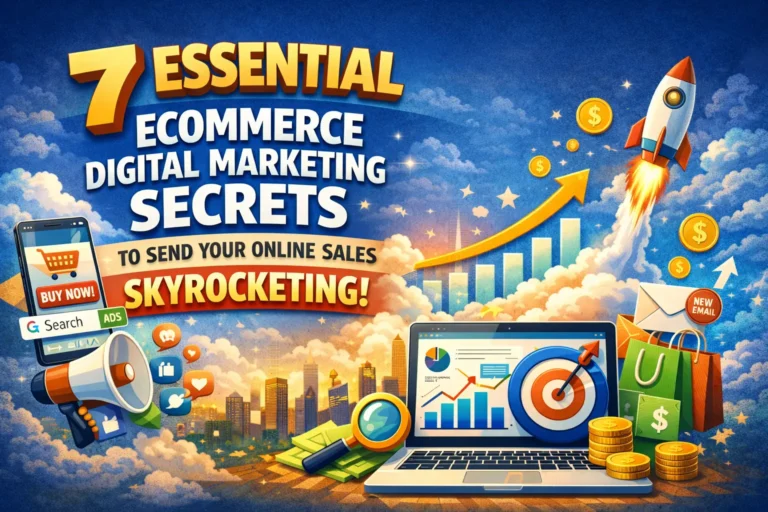
Ecommerce is just getting wilder – and we mean that in a good way. Loads more shoppers are turning to the web, but that also means competition is getting crazier. To stand out from the crowd and succeed, you need a solid, multi-channel game plan – and a great product just isn’t enough.
If you’re having a hard time getting traffic or converting visitors, then you’re not alone. The solution is simple, really: master ecommerce digital marketing. The right mix of tactics can drive heaps of targeted traffic, boost conversions, and even build a brand that sticks around for the long haul. Here are seven proven strategies to help you do just that.
1. Get a Grip on SEO to Take Over Search Results
Most online shopping adventures kick off with a search engine. If you’re not showing up on Google, you’re basically leaving money on the table. Organic traffic is often the highest ROI over time since you don’t have to pay for every click.
To succeed with ecommerce digital marketing SEO, focus on these three things:
- Optimize Your Product Pages: Write unique, compelling titles and descriptions that are rich in keywords. Don’t forget to add high-quality images with descriptive alt text and all that.
- Get Your Tech in Order: Make sure your site loads like a dream and works flawlessly on mobile devices – and sort out those broken links ASAP.
- Create Some Great Content: Write buying guides and resource hubs that actually answer customer questions – not just regurgitate what everyone already knows.
Pro Tip: Go after those long-tail keywords with commercial intent, like “best running shoes for flat feet”, to capture traffic that’s actually ready to buy.
2. Make the Most of PPC Advertising for Instant Buzz
While SEO is one thing that takes time, Pay-Per-Click (PPC) advertising can get you results overnight. You can use it to target super specific demographics and search terms, so your products are shown to people who actually want to buy.
The key tactics to bear in mind are:
- Google Shopping Campaigns: These let you feature your product photos and prices right in the search results – which is a no-brainer.
- Search Ads: Target “buy now” keywords to catch shoppers who are seriously ready to buy.
- Remarketing: Show dynamic ads to visitors who checked out your products but didn’t make a purchase – a great way to keep them coming back.
Pro Tip: Don’t go all in from the off. Start small, test different ad variations, and keep a close eye on your cost per acquisition (CPA) so you can be sure your campaigns are actually making you money.
3. Tap into the Power of Social Media Marketing
Social media is no longer just about boosting your brand image; it’s a serious sales channel in its own right. With billions of users out there, platforms like Instagram and TikTok are off-the-scale for ecommerce digital marketing.
- Choose the Right One: Use Instagram for stuff that’s all about the visuals, and TikTok for trending items or younger audiences.
- Make it Shoppable: Set up Instagram Shopping and Facebook Shops so users can buy without leaving the app – a total no-brainer.
- Strong Visual Design: Eye catching visuals are what stop people from scrolling and turn interest into clicks, which is why many ecommerce brands rely on professional Graphic Design to showcase products in a way that actually sells.
- Get with Some Influencers: Micro-influencers in your niche can be a great way to get authentic product endorsements that actually drive sales.
Pro Tip: Encourage customers to post photos of your products – user-generated content often converts way better than polished brand photos.
4. Build Revenue with Email Marketing Automation
Email marketing is still one of the most effective tools at your disposal – its return on investment is incredible. The beauty of email is that you actually own your list – no algorithm can dictate who sees what, or when.
- Grow Your List: Don’t be shy about dangling a carrot – offer a discount code to folks who sign up for your list, or a free guide that they’re going to love.
- Automate Your Welcome: Set up a simple welcome series for new subscribers – and don’t forget to follow up with an abandoned cart sequence to remind folks about those items they left behind.
- Divide and Conquer: Segment your audience so that you can send them personalized recommendations based on past purchases rather than throwing the same old email at everyone.
Pro Tip: Focus on your abandoned cart emails – they can recover a serious chunk of lost revenue without you having to lift a finger.
5. Give Your Site a Conversion Boost
You’re not going to get rich off a bunch of browsers – you need to turn them into buyers. Conversion Rate Optimization (or CRO for short) is all about turning more of those browsers into customers.
- Streamline Checkout: Make it easy for people to buy from you – guest checkout and multiple payment options are a must.
- Establish Trust: Display those security badges and customer reviews prominently on your site – people love to see they’re buying from someone who’s trusted.
- Sell With Confidence: Make sure your product pages are easy to navigate – use zoomable images and clear sizing information so that customers don’t get cold feet at the last minute.
Pro Tip: Heat mapping tools can help you see where users are getting stuck on your site – fix those pain points, and you’ll see a big improvement.
6. Use Retargeting to Get Your Best Customers Back
You’re not going to close the deal on the first try. 97% of first-time visitors leave without buying – but that doesn’t mean they’re never going to buy from you. Retargeting can bring them back. It’s all about building a relationship and following them up – multiple times if need be – until they’re ready to make a purchase.
- Pixel Perfect Targeting: Use Facebook Pixel and Google tags to show ads to people who’ve already visited your site.
- Email Followups: Send browse abandonment emails to users who looked at products but didn’t quite take the plunge.
- Upselling Time: Target recent buyers with products that complement what they’ve already bought – this can help increase their lifetime value.
Pro Tip: Break down your audience into different groups – someone who added an item to their cart is going to need a different message than someone who just looked around your site.
7. Keep Track of Your Progress
If you don’t measure it, you can’t improve it. Make data-driven decisions, and you’ll save yourself a whole bunch of guesswork – and some wasted budget too.
- Track Your Numbers: Keep a close eye on traffic sources, conversion rates, and your average order value (that’s your average sale, for those who don’t speak ecommerce).
- Get the Right Tools: Google Analytics is an essential tool for anyone who wants to run a successful ecommerce site.
- Regularly Review: Try to review your performance at least once a week – this will help you spot trends and make the adjustments you need to stay ahead of the game.
Pro Tip: Set up a custom dashboard so you can get a clear view of the metrics that really matter to you – at a glance.
Give Your Sales a Boost Today
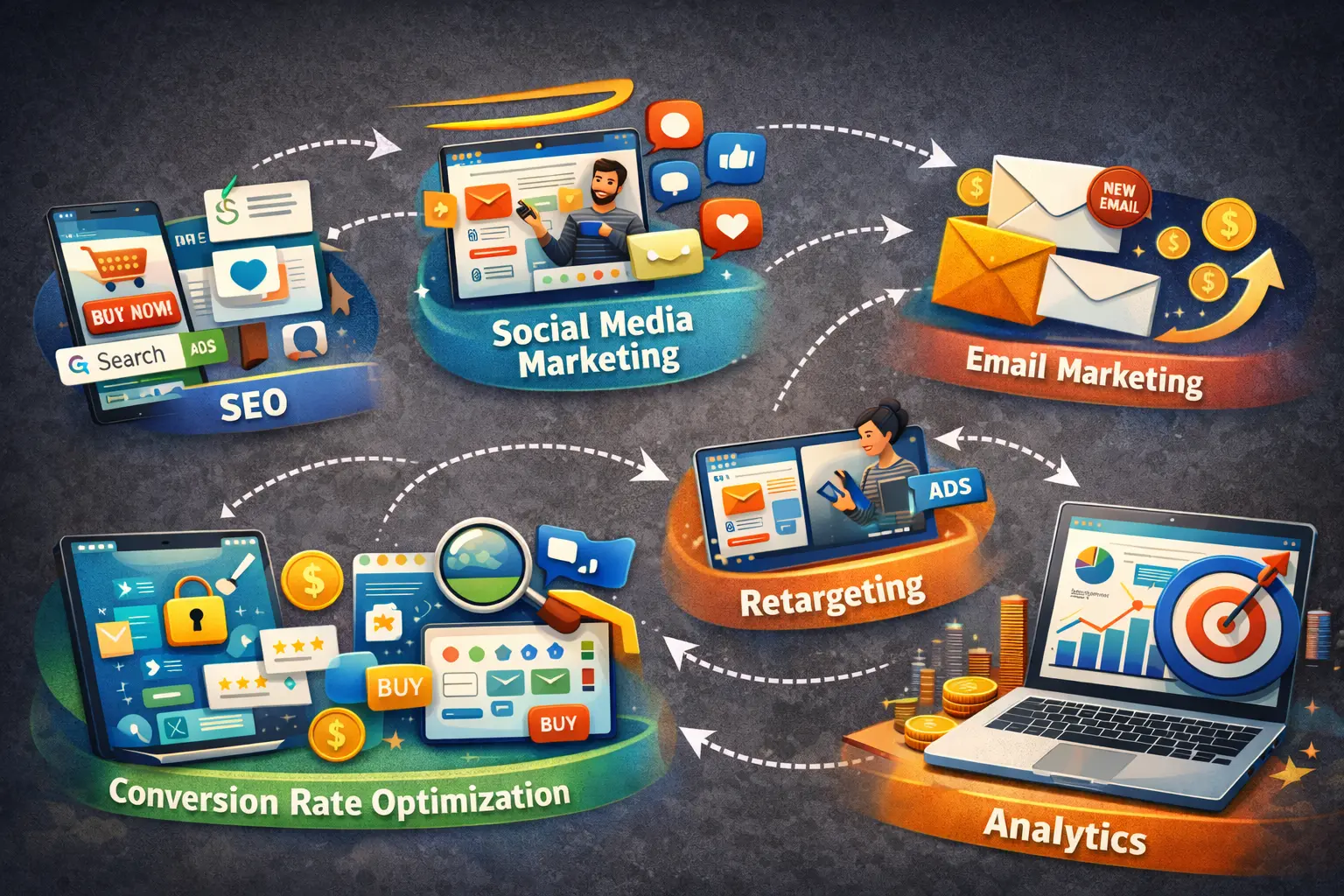
These 7 strategies work together to create a powerful ecommerce digital marketing machine. Don’t try to implement them all overnight – just start with the one or two areas where you’re really struggling.
Most online stores rely on just a handful of these tactics. By committing to a broader strategy, you can give yourself a real competitive edge. Audit your current efforts – figure out where you’re going wrong – and commit to improving your online presence today.